
Understanding Further Leave to Remain (FLR) Applications in the UK
Introduction to Further Leave to Remain (FLR)
For many individuals residing in the UK, navigating the immigration system can be complex. One common application process is the Further Leave to Remain (FLR), which allows individuals to extend their stay in the UK. Understanding the requirements, process, and implications of an FLR application is crucial for those looking to extend their residency.
Who Needs to Apply for FLR?
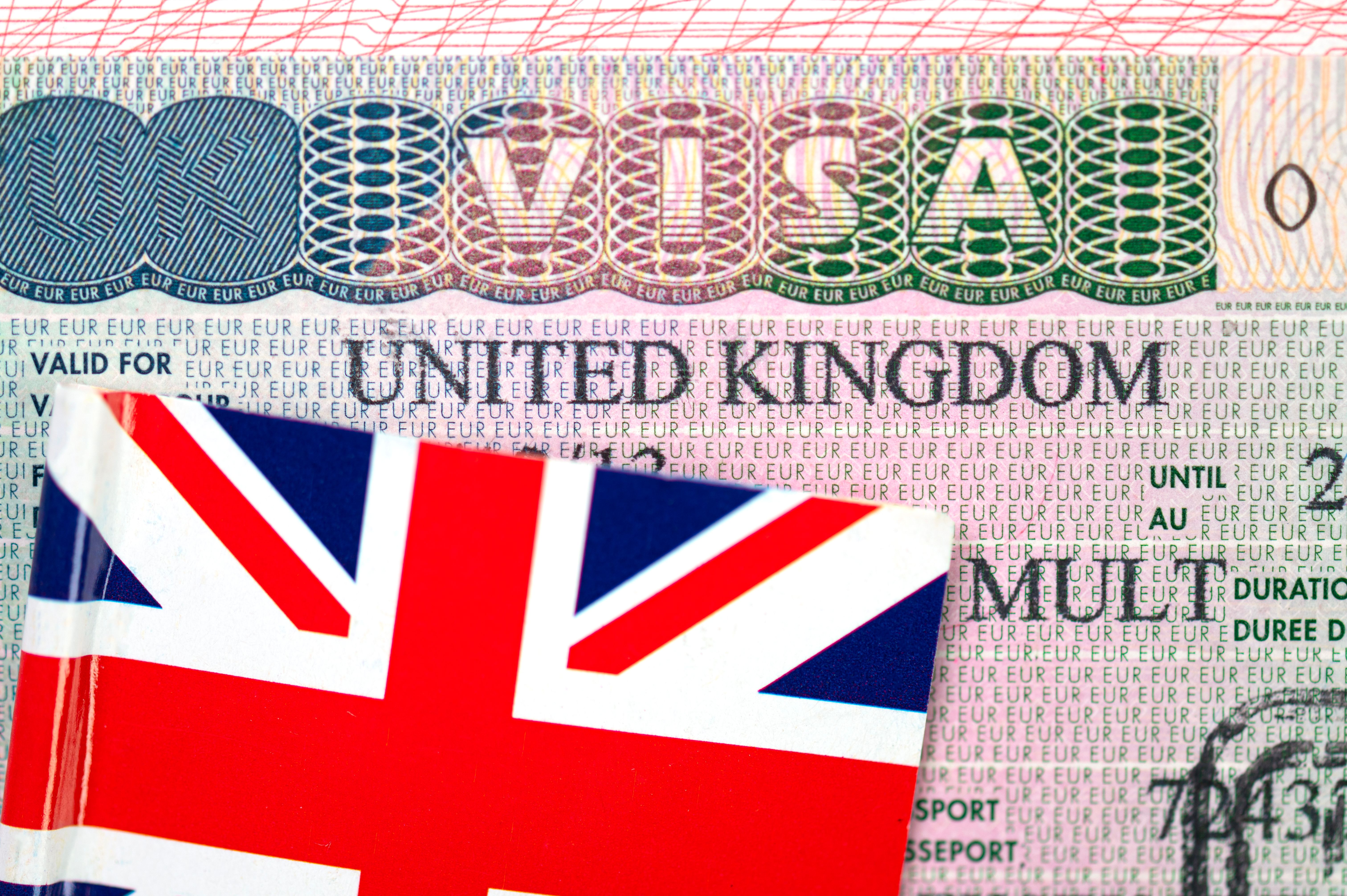
FLR applications are generally required for non-EEA nationals who wish to extend their stay beyond their current visa period. This includes individuals on family visas, work visas, or study visas. If your current leave is about to expire and you plan to remain in the UK, applying for FLR is often a necessary step.
It's important to note that the specific type of FLR application you need will depend on your current visa category and personal circumstances. For example, an FLR(M) is for those extending their stay as a partner of someone settled in the UK, whereas an FLR(O) might apply to other specific circumstances.
The Application Process
The FLR application process involves several steps, starting with selecting the appropriate application form. It's essential to ensure that you have the correct form corresponding to your visa category. Following this, you'll need to gather the necessary documentation, which may include proof of identity, financial documents, and evidence of your relationship if applicable.
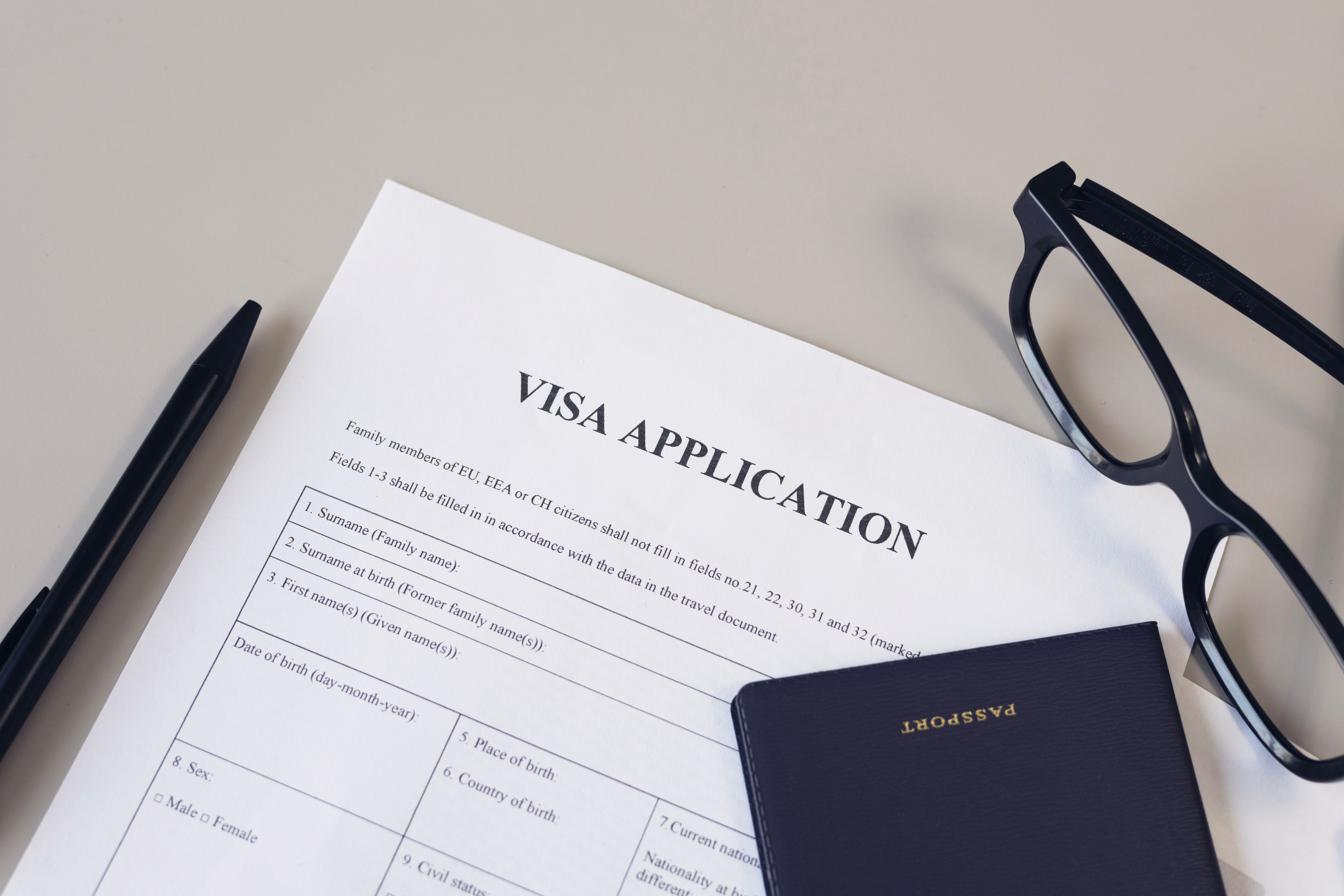
Once your paperwork is in order, you must submit the application online. You will also need to pay the application fee and potentially the healthcare surcharge, depending on your situation. After submission, you may be required to attend a biometric appointment to provide fingerprints and photographs.
Key Documents Required
Preparing the right documents is critical for a successful FLR application. Commonly required documents include:
- Current passport or travel document
- Biometric residence permit
- Proof of financial means
- Evidence of accommodation in the UK
- Any relevant certificates or licenses
Providing accurate and comprehensive documentation can significantly enhance the likelihood of a successful application.

Processing Times and Fees
The processing time for FLR applications can vary, typically taking around eight weeks. However, this duration might fluctuate based on the complexity of the case and the volume of applications being processed. Expedited services are available for an additional fee, offering faster processing times.
Application fees are subject to change, so it’s important to check the latest costs on the UK government's official website. The fees can be substantial, and budgeting for them in advance is advisable.
Potential Challenges
While many applications proceed smoothly, some may encounter challenges. Common issues include incomplete documentation, incorrect application forms, or failure to meet financial requirements. In such cases, seeking legal advice from an immigration solicitor can be beneficial.

Conclusion
Understanding the FLR application process is vital for those wishing to extend their stay in the UK. By being well-prepared and informed about requirements, documentation, and fees, applicants can navigate the process more efficiently. Always consider seeking professional guidance if you encounter challenges during your application.